
Ticks, Lyme, the New Vaccine— Here’s How I’m Thinking About It
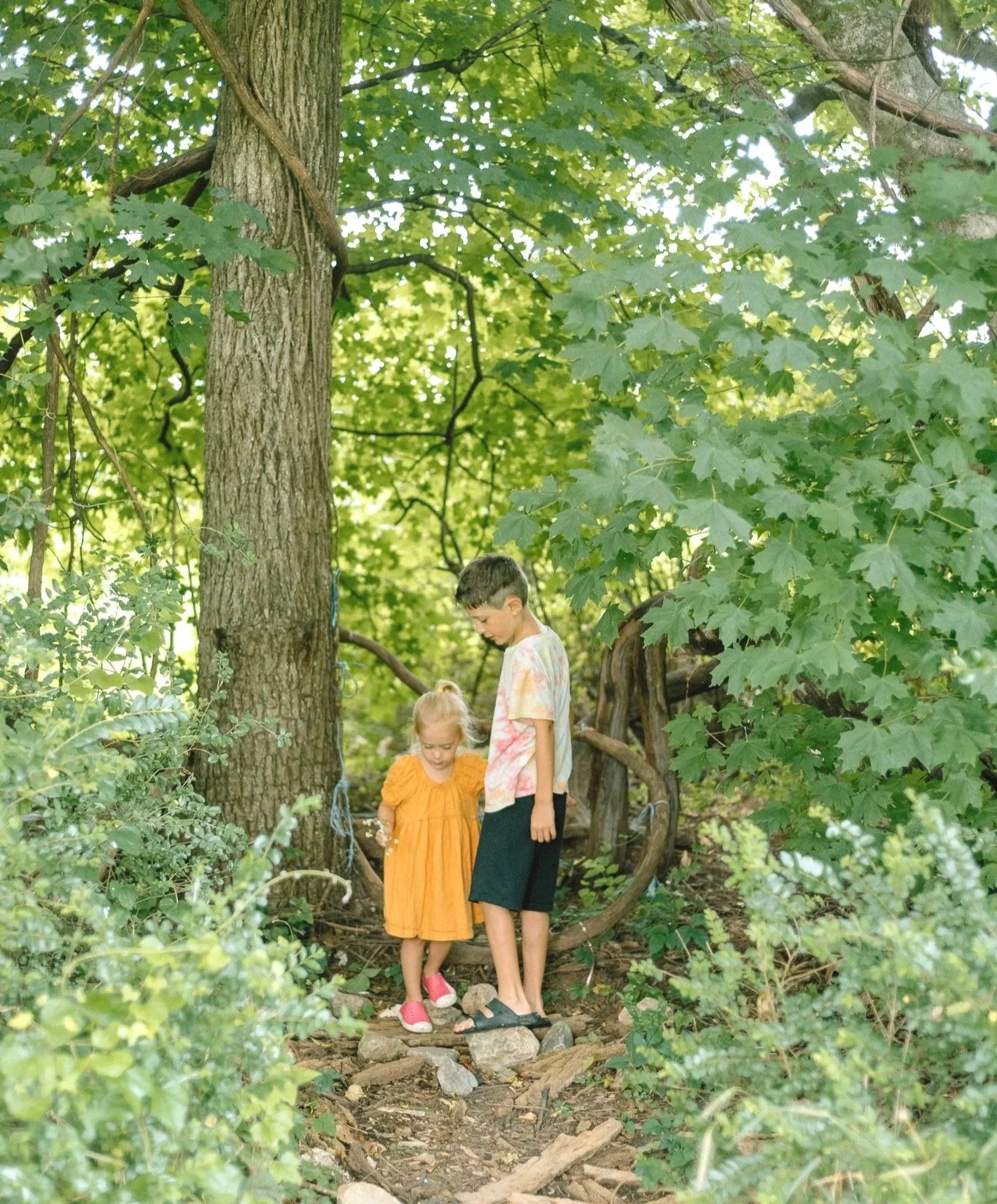
Let’s Talk Ticks
(Without the Panic)
I’ve gotten so many messages lately about ticks, Lyme, the new vaccine, and whether this is going to be a “bad” season.
And I get it. It can feel like a lot.
So instead of going down a rabbit hole, I wanted to put everything in one place
First—let’s zoom out
Ticks are part of our environment.
They’ve always been here. They’re not going anywhere. And for most of us—especially if your kids are outside, playing, exploring, living life—avoiding them completely isn’t realistic.
So the goal isn’t fear.
It’s not hyper-control.
It’s understanding + preparation.
Because when you understand how something works, it becomes a lot less scary—and a lot more manageable.
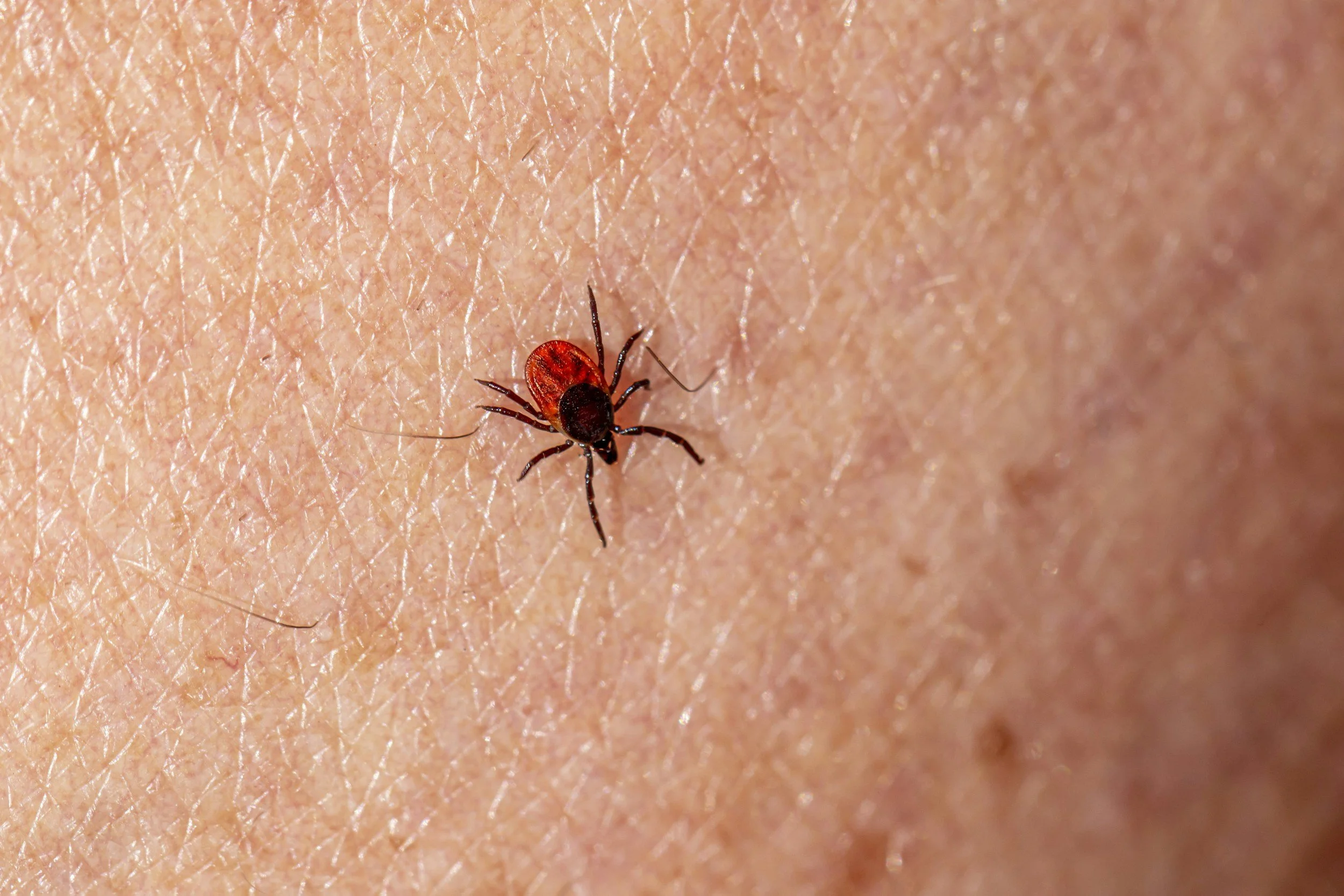
Understanding the tick lifecycle (this matters more than you think)
Ticks move through four main stages:
Egg → Larva → Nymph → Adult
Eggs hatch in spring (often thousands at a time)
Larvae are tiny and feed on small hosts like mice
Nymphs are active in late spring/summer and are the most common stage that bites humans
Adults are larger, easier to spot, and more active in fall
The most important takeaway here:
The stage most likely to affect your family is also the hardest to see.
Nymphs are about the size of a pinhead. They don’t jump or fly—they climb vegetation and wait for a host to brush past (this is called “questing”).
They’re detecting:
body heat
carbon dioxide
movement
Which is why simple outdoor exposure—walking through grass, sitting on the ground, even playing in the yard—can be enough.
This isn’t meant to scare you.
Just to help you understand why awareness and checks matters.

The biggest misconceptions I see…
1.“Ticks fall from trees”
They don’t.
They live low—grasses, shrubs, leaf litter—and latch on as you pass by.
2. “You’re safe if it was attached less than 24 hours”
This is one of the most common things I hear—and it’s not always reliable.
While longer attachment can increase risk, transmission can happen more quickly in certain situations.
So instead of relying on a timeline, it’s more helpful to focus on:
early detection
proper removal
and aftercare support
3. “If I don’t see symptoms right away, we’re fine”
Sometimes yes.
But not always.
The body doesn’t always respond immediately—and sometimes symptoms show up later, especially if the body is already under stress or depleted.
Which is why I personally don’t love the “wait and see” approach.

So, Lets Get Prepared!
Prevention isn’t one thing—it’s layered
This is where I think a lot of people either overdo it… or underdo it.
It’s not about one spray or one product.
It’s about small, consistent layers.
1. Yard + environment
Ticks thrive in:
shaded, moist areas
leaf litter
tall grass
wooded edges
Try This-
keep grass shorter
create dry buffer zones (gravel, mulch)
clear leaf buildup
increase sunlight where possible
Ticks don’t do well in hot, dry environments.
2. Daily habits
These are simple but powerful:
quick tick checks after being outside
focusing on scalp, behind ears, waistbands, under arms
showering after long outdoor days
This alone can drastically reduce risk.
3. Clothing + exposure awareness
lighter colored clothing (easier to spot ticks)
socks over pants in high-risk areas
being mindful in tall grass or wooded edges
4. Support internal terrain
This is where my perspective may feel a little different.
Two people can have the same exposure—and have completely different outcomes.
Why?
The state of the body.
A well-supported system is:
more resilient
more responsive
better able to handle stressors
It means supporting the basics consistently:
hydration
minerals
nourishing food
sleep
nervous system regulation
This is your foundation.
4. Have tools ready (this is where most people fall short)
This is the piece that changes everything.
Because when you find a tick, that is not the moment you want to:
Google
panic
second guess
You want to know exactly what to do.
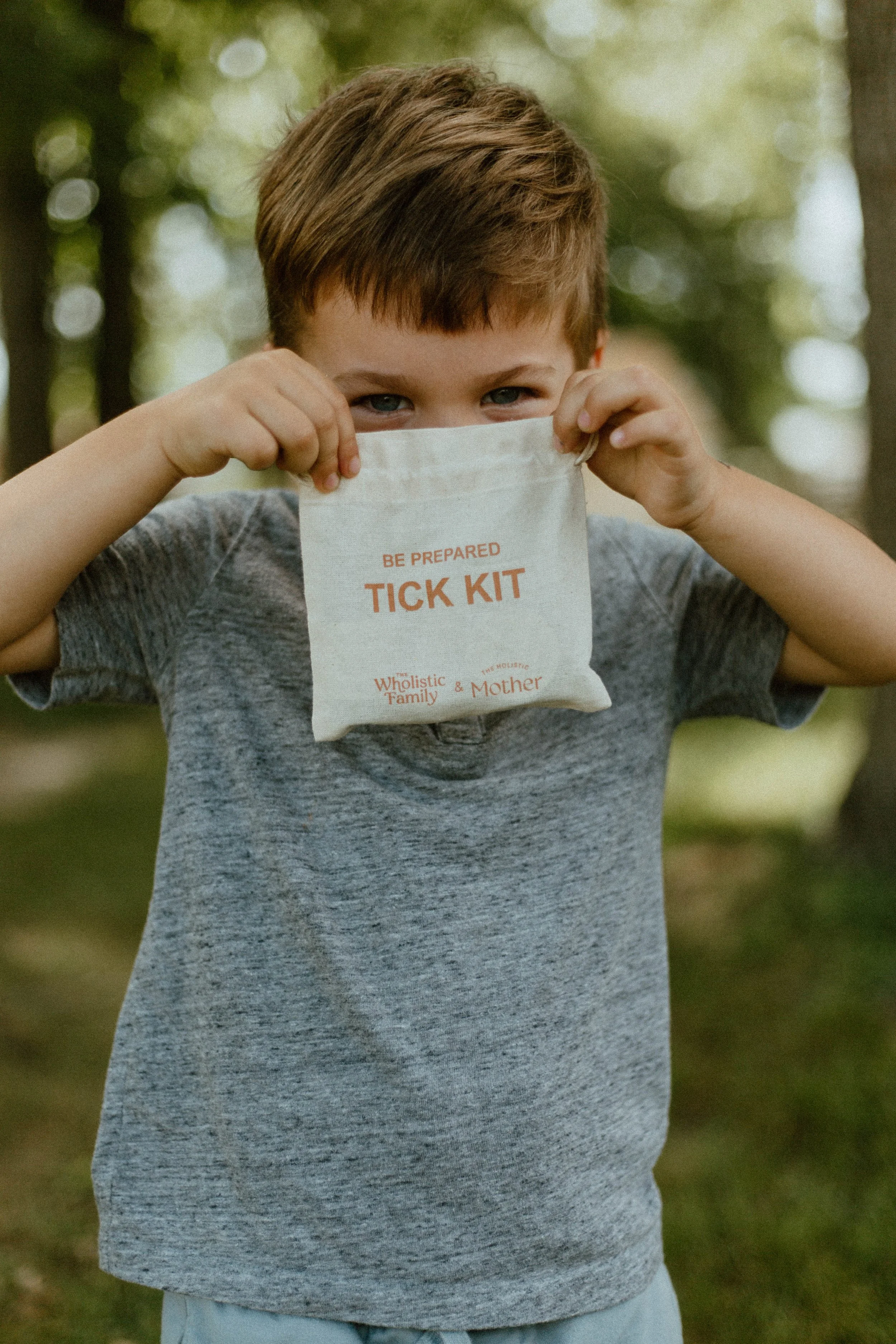
And, this is exactly why i created the Be Prepared TICK KIT!
Prepared, Not Scared!
Okay… real talk.
I get this on a very personal level.
I will never forget moving from the West Coast to Tennessee…
and suddenly having land.
Like real land.
Trees. Grass. Woods. Space.
And I remember standing there in the middle of August—
heat, humidity, all of it—
with my kids in turtlenecks, long sleeves, pants, and socks…
because I was terrified.
I didn’t understand ticks yet.
I didn’t feel prepared.
And I knew deep down, this is not how I want my kids to live.
They should be outside. Running. Playing. Exploring.
Not restricted because I’m overwhelmed or unsure.
So I deep dove into the research.
Because in the moment you find a tick…
you’re not thinking clearly.
You’re not calmly gathering supplies from 5 different places.
You’re usually panic Googling, second guessing, and trying not to panic 😩
And that’s exactly what I wanted to eliminate.
So I created what I couldn’t find
I wanted something that:
had proper removal tools (so you’re not squeezing or making it worse)
included high-quality, effective homeopathics
supported the body with internal + external antimicrobial support
offered soothing + detox support (and didn’t stain everything 🙃)
and most importantly…
was simple, clear, and doable in real life with families
So I built it with my own family in mind.
If you want that same level of preparedness, of course—you can DIY this. There is a lot of good information out there.
But if you’re someone who just wants:
everything in one place
expert guided and formulated
and ready to go when you need it
This is something so many families have loved and rely on each season.
You can grab the tick kit here:
Shop Tick Kit
If you’re someone who likes to really understand the “why” behind all of this, I’ve also included my full slides below that i share with families at the local workshops I do!
You can go through them here: Tick Talk Slides
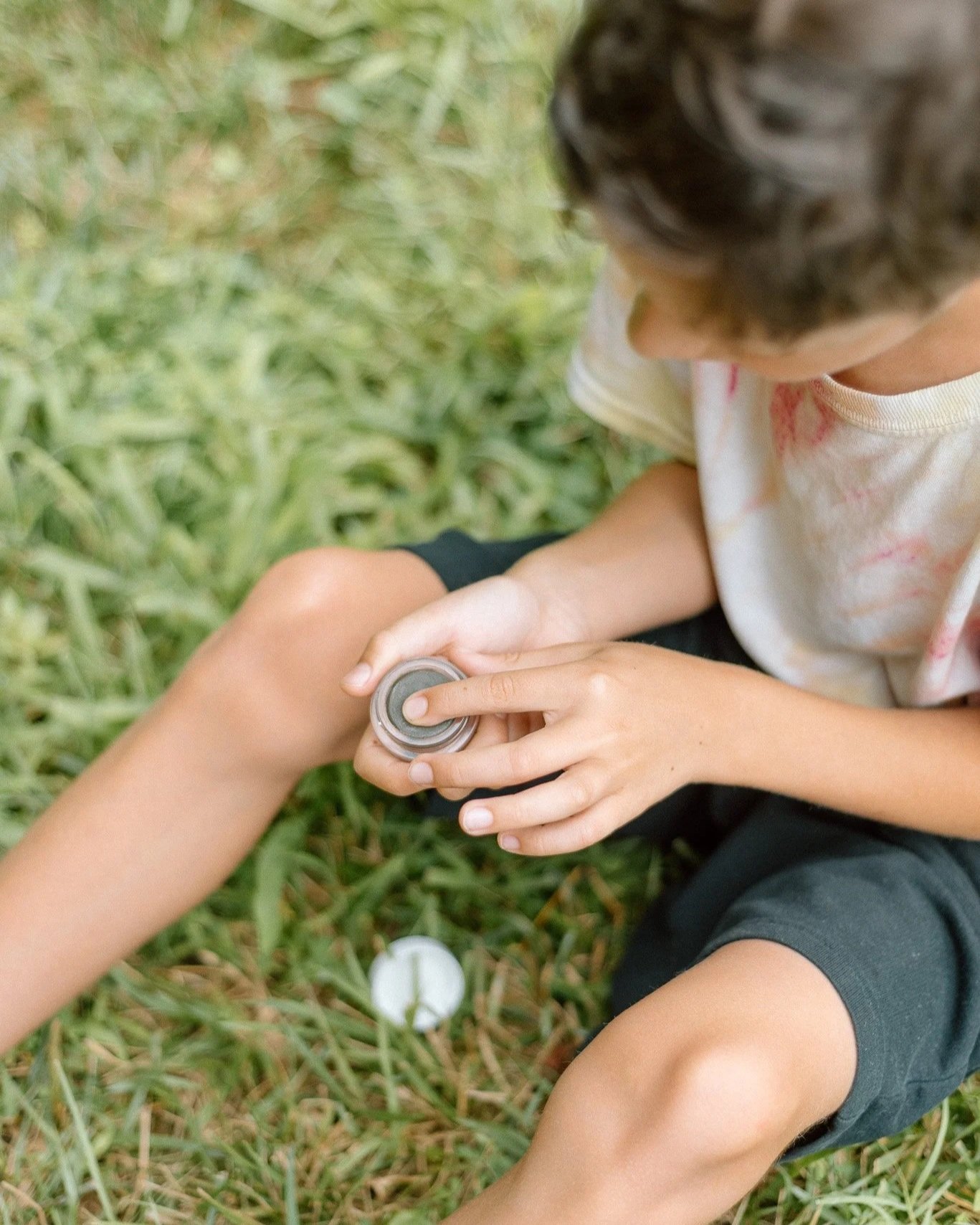
What About the Lyme Vaccine Conversation?
I want to touch on this because I know it’s coming up more and more, and naturally, there are a lot of questions.
For me personally, I’m just not someone who feels comfortable being part of something new or experimental, and im also not going to let myself get stresed with the what if theories either. That’s simply where I land . And I also know many of you feel the same with wanting to be thoughtful, informed.
There is so much you can do right now to feel prepared and supported.
Come Back to What You Can Control
Instead of spiraling in the “what ifs,” I always bring it back to this:
Learn how ticks actually work
Understand what matters after a bite
Support your body so it’s resilient
Have tools ready so you’re not scrambling
Be Prepared (Without Living in Fear)
If having everything in one place would help you feel more grounded and ready, my tick kit was created exactly for that reason. Keep one in the car, diaper bag, kitchen junk drawwer…
Have confidence in the moment it matters!
You can grab it here:
👉 Tick Kit
Support the Body + Nervous System
At the end of the day, this matters just as much as anything else.
Your body is not fragile.
It’s designed to respond, adapt, and protect.
So we focus on:
nourishment
minerals
nervous system regulation
reducing overall toxic burden
Because a resilient body changes the entire picture.
Keep Learning (Without Overwhelm)
If you’re someone who likes to go deeper, here are a few resources I trust and personally learn from:
Wellness Kristy(great for Lyme + terrain-based education) Has a ton of highlights and Ebook
Joywell Membership(deeper dives on lyme, root-cause healing and body support)
Im team let your kids run outside, explore, and live fully—
without that constant layer of fear sitting. Hopefully this was helpful ❤️